Solutions
  Products
  Industries
 Resource Center
  Company
  Contact Us

 North America
  Europe
  Deutschland
  Asia-Pacific
  Canada (Français)
  Africa
  Argentina
  México
  Brasil
Is the right operator using the right vehicle?

Before the vehicle moves, is it safe to go?

Can your operators react before it’s too late?
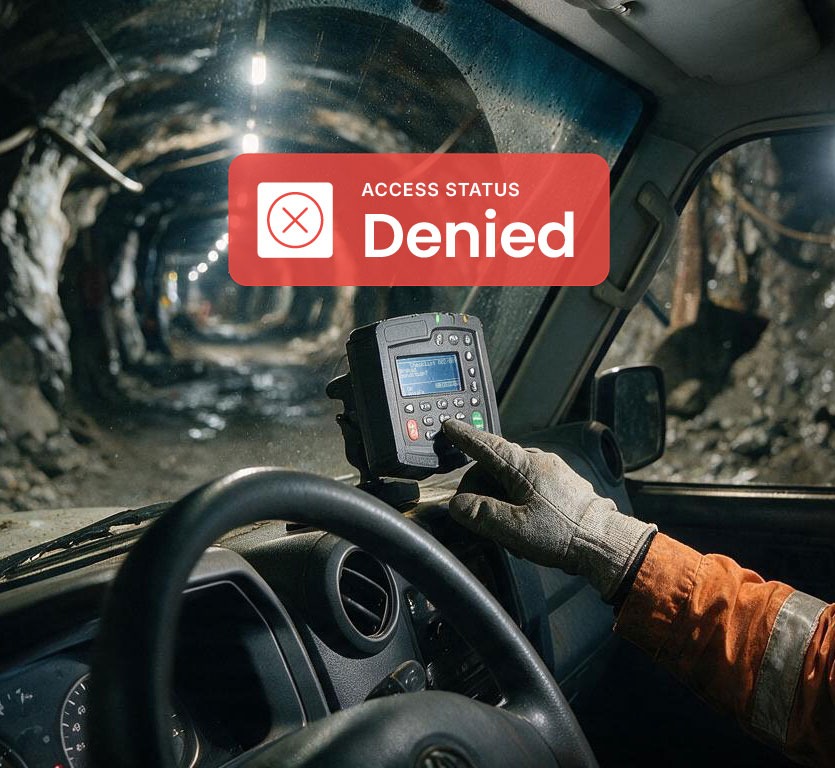
Only the right person should start the vehicle
Training records and sign-out sheets help, but they do not control what happens at the vehicle, especially during shift handovers, agency cover, or high-pressure periods.
Access control ensures that only authorised operators can start and use specific vehicles. Every key-on event is linked to an individual operator, giving supervisors a clear record of who used what and when. That record is what the Mines Regulations 2014, the Quarries Regulations 1999, and the Provision and Use of Work Equipment Regulations 1998 (PUWER) all require you to be able to produce.
- Restrict vehicle use to authorised, trained operators
- Meet operator authorisation requirements digitally, above ground and below
- Remove access instantly, with no physical key changes needed
- Full audit trail of operator activity, by vehicle and by shift
The VAC4 terminal has an IP67 rating, button-led controls, and is built for dust, water, and gloved hands.
Make every pre-start inspection impossible to skip
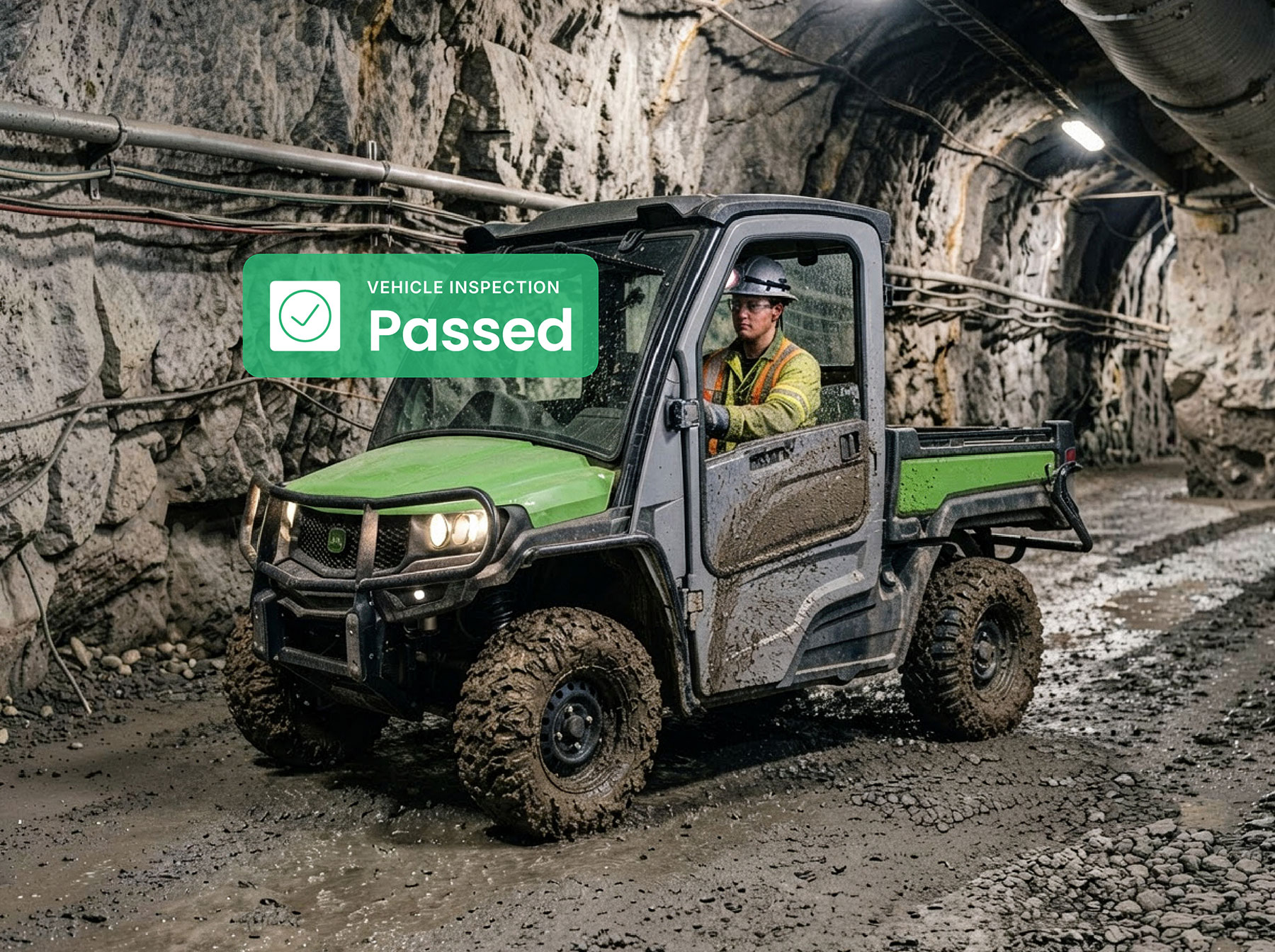
A vehicle defect underground can become a safety incident. The same is true of a fault on a quarry haul road vehicle. Paper checklists are rushed or skipped under shift pressure, and the gap usually shows up only after something has gone wrong.
Digital pre-start inspections make the check mandatory. Operators complete it before the vehicle moves. If a critical defect is flagged, the vehicle is automatically locked out until the maintenance clears it.
- Enforce inspections before every vehicle movement
- Automatic lock-out on critical defects, so no unsafe vehicle returns to service
- Audit-ready inspection records without paper trails
- Support audit-ready records without relying on paper trails
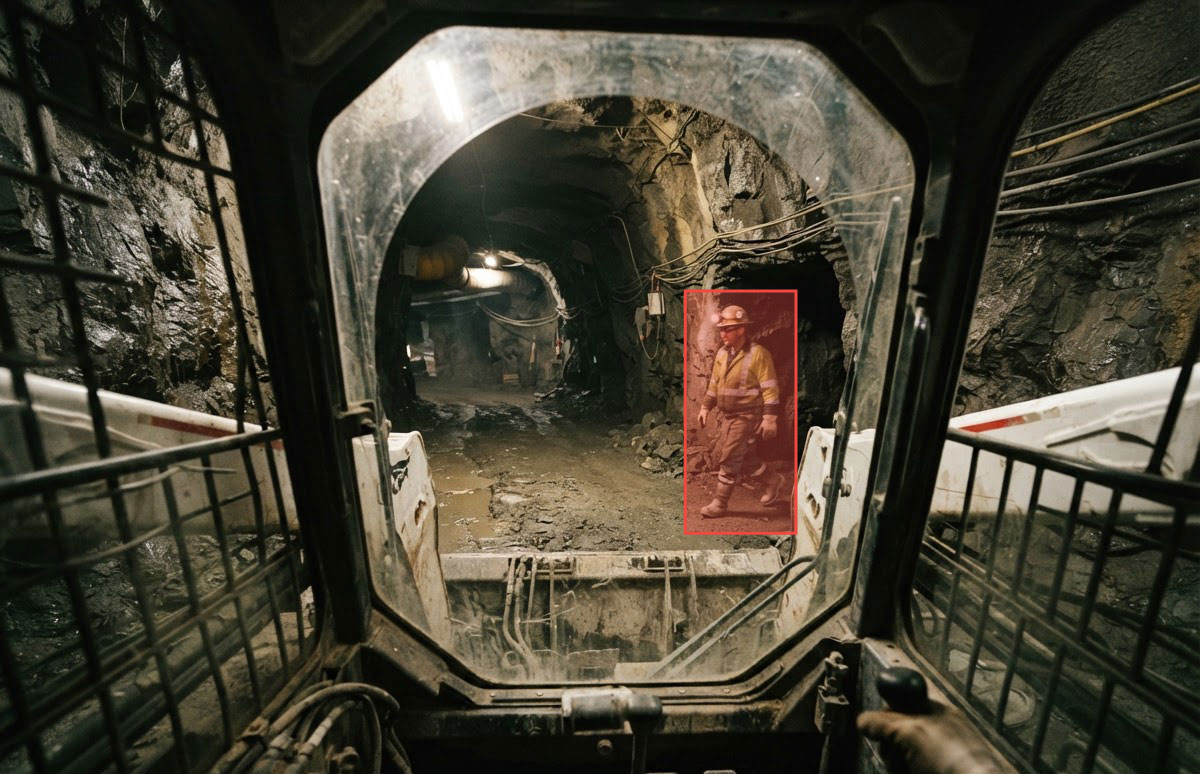
Help your operators react before people get hurt
Narrow tunnels, poor lighting, and loud machinery make it difficult to see people on foot. Even experienced operators miss pedestrians in blind spots. Above ground, the same problem occurs around open-cast equipment, weighbridges, and site entrances.
AI-based camera detection alerts operators the moment a person enters a high-risk zone around a moving vehicle.
- Alert operators when people or vehicles enter high-risk zones
- Protect workers in tunnels, blind spots, and busy surface zones
- Surface data to identify repeat risk areas on your site
- Use incident data to improve site layout and working practices